Is ZYN Snus? ZYN vs Snus and Why Only One Is Legal in the UK
ZYN is not snus, but it is made by the snus company, which explains the whole mix-up. The real difference, a side-by-side table, the UK law that splits them, and the closest legal alternatives.
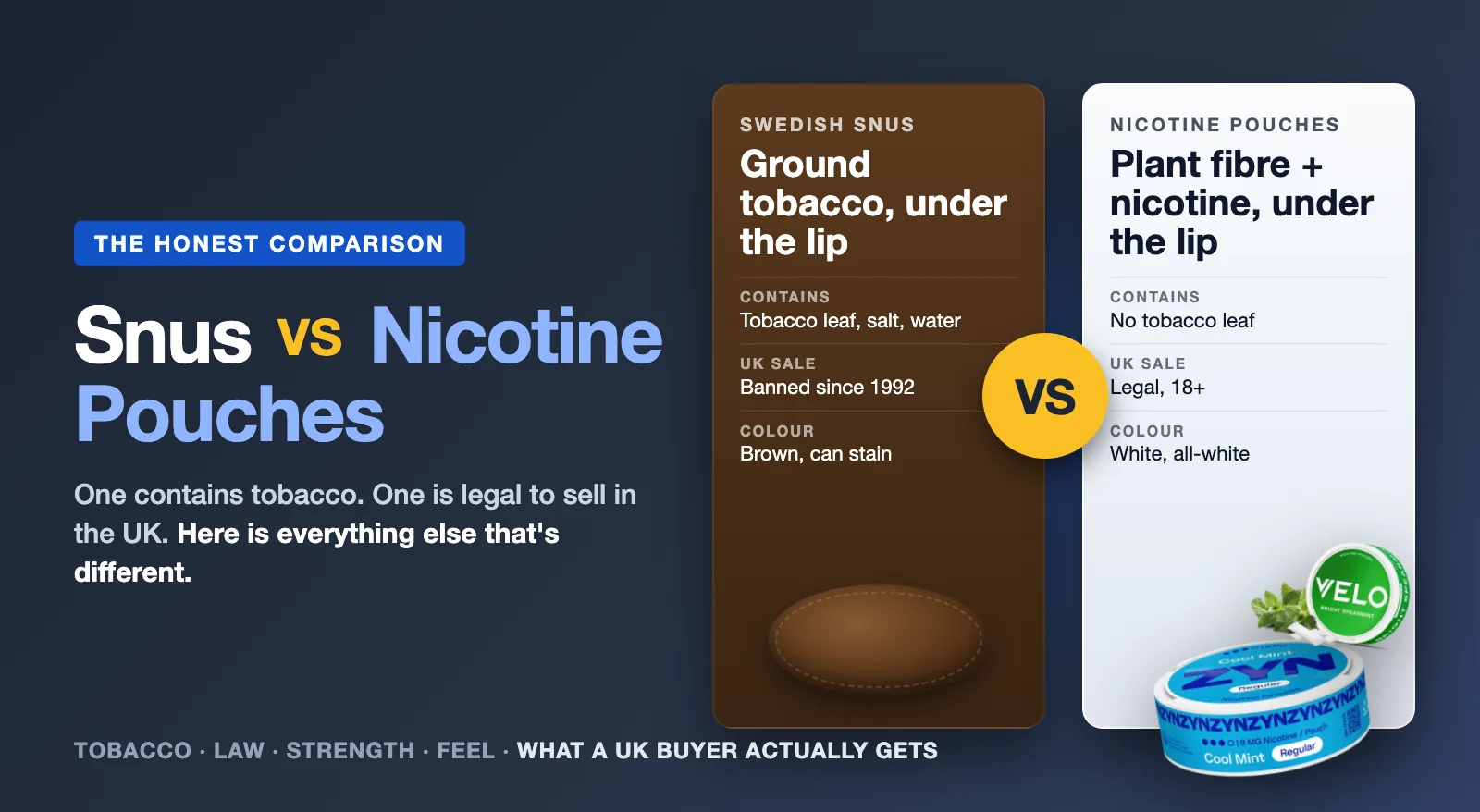
The one-line answer: no, ZYN is not snus. Snus is ground tobacco leaf under your lip (our snus vs nicotine pouches guide compares the two categories in full); a ZYN nicotine pouch holds its nicotine on plant fibre and contains no tobacco leaf at all. That single ingredient is why UK shops cannot sell snus but can sell ZYN.
Here for the shopping rather than the reading? Skip to what to buy instead of snus, or go straight to the full ZYN range.
The confusing part, and the interesting part, is that both products come from the same Swedish company. Type "zyn snus" into Google and you are in good company: thousands of British searchers run that exact phrase every month, usually meaning one of three things. Is this white pouch the snus the footballers use? Is it legal? And can I get the real Swedish stuff here or not?
Every retailer answers the first question in two lines and moves on to selling you mint. Fair enough, but the two-line answer skips the reason the confusion exists in the first place, and that reason turns out to explain almost everything else: the look of the can, the feel of the pouch, the word people use for it, and the law that splits the two products apart. So here is the whole tangle, unpicked in order.
Is ZYN Snus? The Short Answer
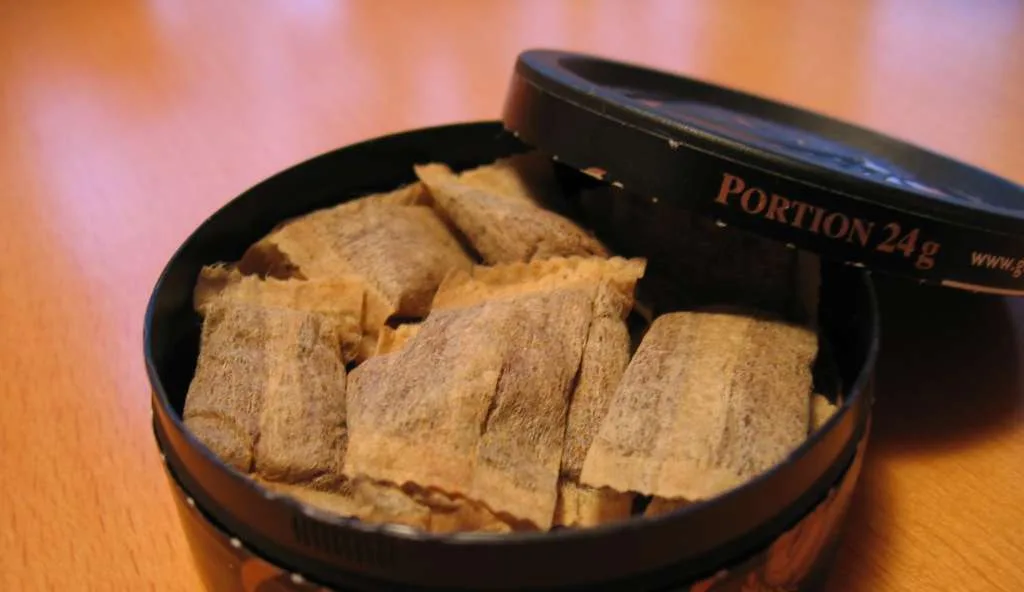
ZYN is a nicotine pouch, not snus, and the difference lives in one ingredient. Snus is a Swedish smokeless tobacco: ground tobacco leaf blended with salt and water, sold moist and brown, tucked under the top lip. ZYN keeps the lip, the can and the ritual, then swaps the filling.
Inside a ZYN pouch there is nicotine salt carried on plant-based fibre, food-grade flavouring, sweetener and pH adjusters. No leaf anywhere in the can.
That swap sounds like a technicality. Legally, it is everything: because a ZYN pouch contains no tobacco leaf, it falls outside the UK's ban on oral tobacco, which is why a British shop can hand you a can of Cool Mint but would be committing an offence handing you a can of Swedish General. The products sit a centimetre apart under the same lip and a full legal category apart on paper.
If snus itself is the thing you are curious about, its meaning, history and formats get the full treatment in our guide to what snus actually is. This page stays on the branded question, because ZYN is a particular case with a particular history, and that history is where the muddle starts.
Why Everyone Thinks ZYN Is Snus
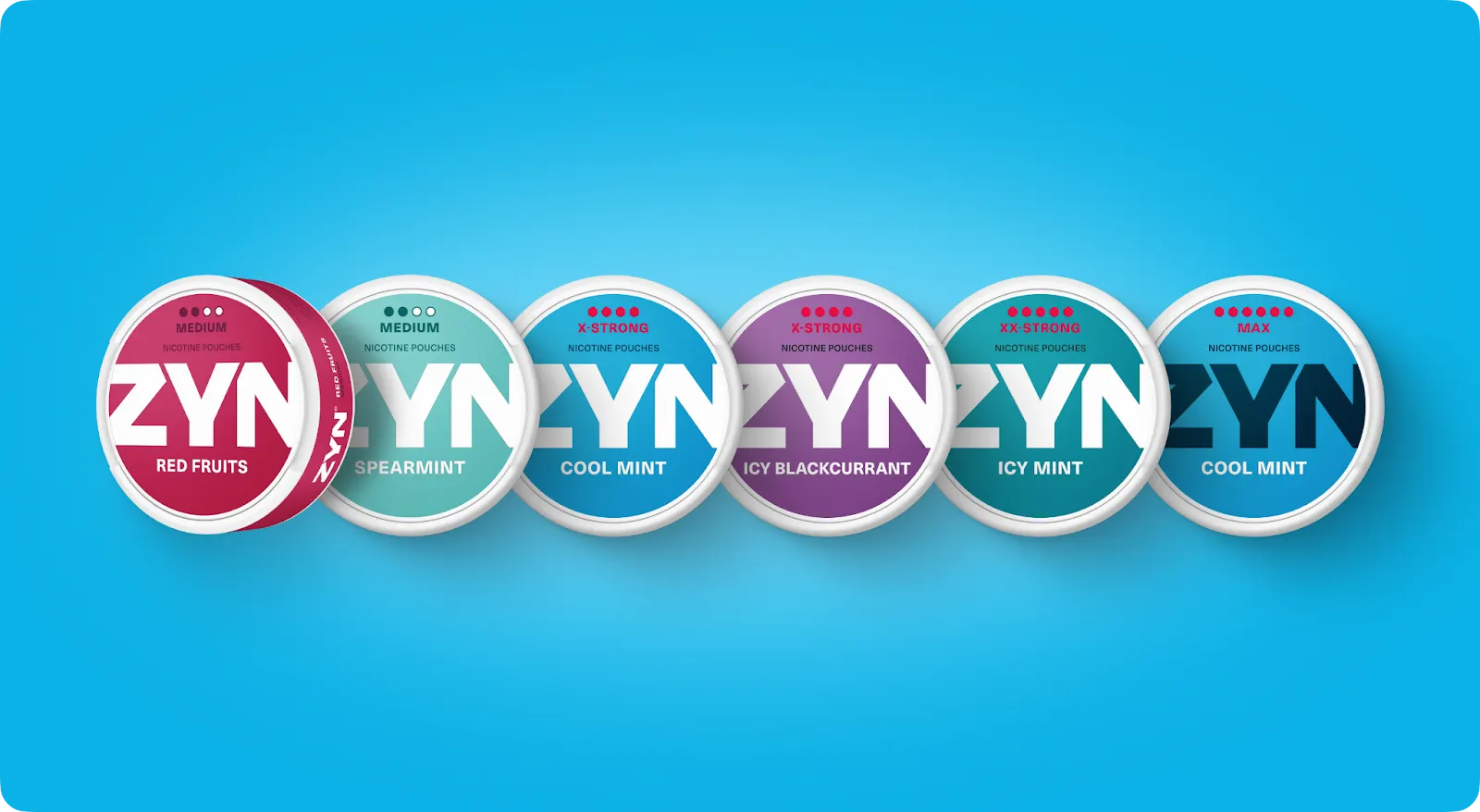
People think ZYN is snus because, in a corporate family-tree sense, it nearly is. ZYN is made by Swedish Match, and Swedish Match is not some startup that borrowed a Nordic aesthetic. It is the snus company: the firm whose brands include Ettan, on sale since 1822, and General, blended since 1866, the two most storied tobacco snus names in Sweden. When Swedish Match set out to build a pouch with no leaf in it, the company was applying two centuries of under-the-lip expertise to a new filling. ZYN was test-marketed in the United States from around 2014, rolled out commercially from 2016, and in November 2022 the whole company was bought by Philip Morris International for roughly $16 billion.
So the family resemblance is real, and it runs deeper than marketing. Snus had already evolved a paler, drier style called the white portion decades before nicotine pouches existed; the all-white pouch is that idea taken to its logical conclusion, with the leaf removed entirely. Same round can. Same catch lid on top for spent pouches. Same placement, same 20-to-40-minute wear, same discreet bulge that is not really a bulge. If you designed a product to be mistaken for snus, it would look like this.
Language finished the job. The word travelled with Scandinavian footballers, spread through British changing rooms, and now covers anything under a top lip regardless of what is inside. American usage drifted even further: in the US, where ZYN dominates the pouch market, "a zyn" has become slang for any pouch of any brand, and plenty of US-written articles cheerfully call the whole category snus. A British searcher wading through that content can be forgiven for concluding the words are interchangeable. They are not, and in the UK the difference is the difference between a legal product and a banned one.
ZYN vs Snus, Side by Side
ZYN vs snus at a glance: snus is ground tobacco leaf with salt and water, banned from UK sale; ZYN is nicotine on plant fibre with no leaf, sold legally. The table settles the rest, with one caveat first: snus strength is usually quoted per gram, ZYN strength per pouch, so the two columns are not directly comparable numbers, a trap half the internet falls into. More on that below.
| Tobacco snus | ZYN nicotine pouches | |
|---|---|---|
| Contains tobacco leaf | Yes, ground leaf with salt and water | No. Nicotine on plant fibre |
| Nicotine source | The tobacco in the pouch | Extracted from tobacco, then purified |
| Legal to sell in the UK | No, banned since 1992 | Yes, 18+ |
| Legal to possess in the UK | Yes, personal use is not an offence | Yes |
| Colour and staining | Brown; can stain teeth over time | White; minimal staining |
| Moisture and drip | Moist, noticeable drip, often kept refrigerated | Dry Minis or moist Regulars, little drip, no fridge |
| Typical strength | Roughly 8 to 43mg per gram | 1.5 to 13.5mg per pouch in the UK range |
| Flavours | Tobacco, bergamot, juniper | Mint, fruit, coffee, citrus and beyond |
| Price in the UK | No legal price; it cannot be sold | £6.50 RRP a can, less in multipacks |
Read the first row and the third row together and you have the entire story: the leaf is present in one product and absent from the other, and UK law hangs on exactly that.
Is ZYN Tobacco-Free? The One-Word Nuance
ZYN is nearly tobacco-free, and the nearly is the point, so this is where the guide gets more precise than most of the pages ranking above it. ZYN is routinely described as tobacco-free, including by retailers who should know better, and the description is almost right. The accurate version is ZYN's own careful wording: the nicotine in ZYN is derived from tobacco, but ZYN does not contain tobacco leaf.
Both halves matter. The nicotine molecule in a ZYN pouch started life in a tobacco plant; it is extracted and purified before it goes anywhere near the can, but calling the product entirely tobacco-free would airbrush its supply chain. What the pouch does not contain is tobacco leaf, stem, dust or any plant material from tobacco, and that is the fact with legal force in Britain, since the ban covers tobacco for oral use rather than nicotine itself. Tobacco-leaf-free is the honest term. Awkward to say, which is presumably why so few people say it, but it describes exactly what you are holding. Anyone who tells you ZYN contains "no tobacco in any sense", or in the other direction that it is "still basically tobacco", is rounding the truth off in a direction that suits them.
Why One Is Legal in the UK and the Other Is Not
The one-sentence version: snus contains tobacco leaf, which Britain bans for oral use, and ZYN contains none, so the ban never touches it. The short legal history, since the detail lives in our full guide to whether snus is legal in the UK: the EU banned oral tobacco in 1992, Sweden negotiated a permanent exemption when it joined in 1995, and the rule crossed into British law where it still sits, forbidding anyone to produce or supply tobacco for oral use. Swedish Match, of all companies, challenged the ban in 2018 and lost. Brexit changed nothing.
Notice the verbs, though. Producing and supplying are the offences; owning snus for your own use is not, which is why a returning traveller with a few cans from Stockholm commits no crime while the shop that would sell them one commits an offence. ZYN sits outside all of it for the one reason this whole page keeps returning to: no tobacco leaf, so the oral-tobacco ban simply does not apply.
Pouches are regulated in their own right now, too. The Tobacco and Vapes Act 2026 became law on 29 April 2026, and from 29 October 2026 selling nicotine pouches to under-18s becomes a criminal offence rather than a matter of retailer policy. We age-check every order regardless, so nothing changes at our end, but it formally ends the era of pouches as a loosely supervised product. None of it re-legalises snus, and nothing in the Act suggests that is coming.
Can You Buy Snus in the UK, and What Should You Buy Instead?
The honest answer to the search that probably brought you here: no UK shop, website or market stall can legally sell you real tobacco snus, ours included. Any site that appears to be doing so from a British address is either selling you nicotine pouches under a loose label or breaking the law. What "snus" means on every legitimate UK site is the tobacco-free kind. That is not a scam; it is the whole market adapting to a 30-year-old ban by keeping the word and changing the product.
What you can do is get remarkably close to the experience, legally. Which pouch gets you closest depends on what you actually miss:
For the classic snus profile, a moist pouch with real presence under the lip, the closest thing in the ZYN stable is a Regular-format can: Menthol Ice at 13.5mg is the strongest ZYN we stock, and Black Cherry runs the fruit end up to an 11mg Regular. For an everyday starting point, Cool Mint covers five strengths from 1.5mg to 11mg, and the dry Apple Mint Mini is the discreet desk-hours option. If what you miss is sheer Scandinavian strength, the ZYN ladder stops at 13.5mg and stronger lines exist beyond it: our extra strong shelf is where the Killa and Pablo snus crowd shop, and it reaches strengths ZYN has never printed. The full ZYN range is sorted by flavour and strength if you would rather browse.

Does ZYN Feel Like Snus?
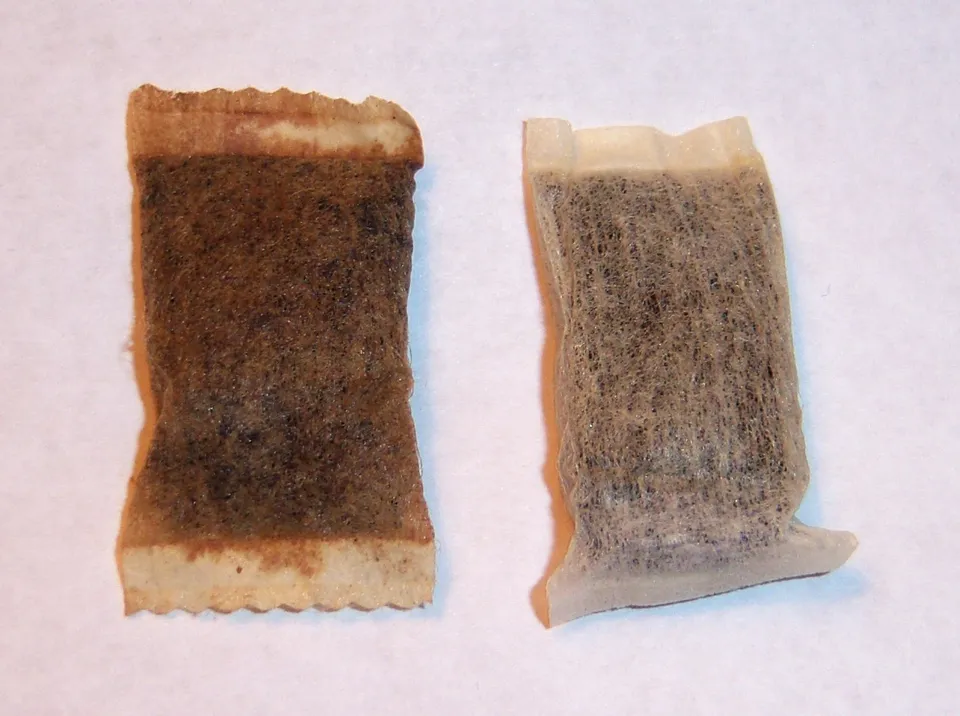
ZYN feels close to snus without being identical, and the differences sit exactly where you would predict once you know what changed. Anyone switching from real snus notices three things in the first week.
Moisture first. Traditional snus is properly wet, which makes the release fast and the drip constant; seasoned users barely register the drip, newcomers absolutely do. ZYN splits the difference by format: the Mini is bone dry and needs a few minutes of saliva before anything happens, while the Regular arrives at 35 to 40 per cent moisture, releases quickly, and is the format an ex-snus user should reach for first if they want the arrival to feel familiar. Second, the tingle. ZYN's first few minutes carry a peppery burn under the lip that snus users often find sharper than what they left, mostly because flavoured white pouches announce themselves in a way plain tobacco does not. It fades, and regulars stop noticing it. Third, the taste, which is the unbridgeable bit: snus tastes of tobacco, salt and whatever bergamot or juniper the house recipe adds, while ZYN tastes of its flavour and nothing else. There is no tobacco note because there is no tobacco. Some switchers find that liberating. A vocal minority genuinely miss the leaf, and no mint pouch will talk them out of it.
Wear time and manners are the same on both sides of the divide: under the top lip, 20 to 40 minutes, no chewing, no spitting, used pouch into the catch lid. Teeth come out ahead with ZYN, since a white pouch has nothing brown to leave behind. And nobody on a train can tell which one you are using, which is, historically, half the point of the entire format. How many you get through in a day is its own subject; our guide to how many nicotine pouches per day covers pacing honestly.
Is ZYN Stronger Than Snus?
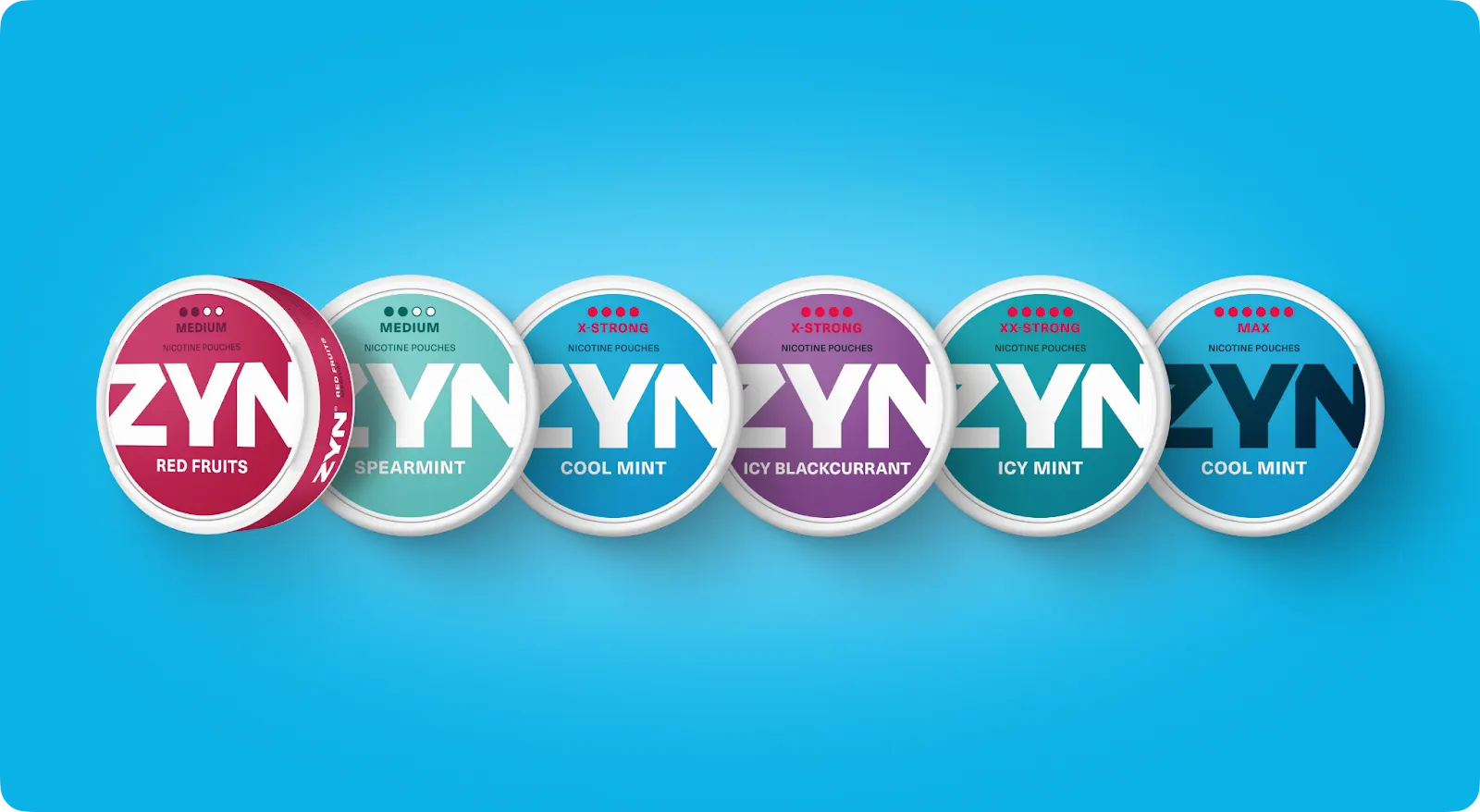
No, and it is not close at the top end, but the comparison needs its units straightened out first. Snus strength is quoted per gram of tobacco; ZYN prints total milligrams per pouch. Ordinary tobacco snus carries roughly 8mg per gram, strong lines run 11 to 14, and the infamous ceiling, GN Tobacco's Siberia, reaches about 43mg per gram, a number with no legal UK equivalent. UK ZYN runs from a 1.5mg X-Low Mini to the 13.5mg Menthol Ice, with the dots on the can marking the rungs in between.
The practical translation: an everyday snus portion and a mid-to-upper ZYN land in the same working range, so a General user does not need to fear the ZYN shelf, while Siberia-class snus sits far beyond anything ZYN makes anywhere. If a searcher wants the strongest legal option in Britain, the answer is not snus, which has no legal strength at all here, but the top of the pouch market. Within ZYN that means 13.5mg; across brands it means the extra-strong shelf. The full ladder, the dot system and where to start on it are decoded rung by rung in our ZYN strengths guide, which is the page to read before buying anything with five dots on the lid.
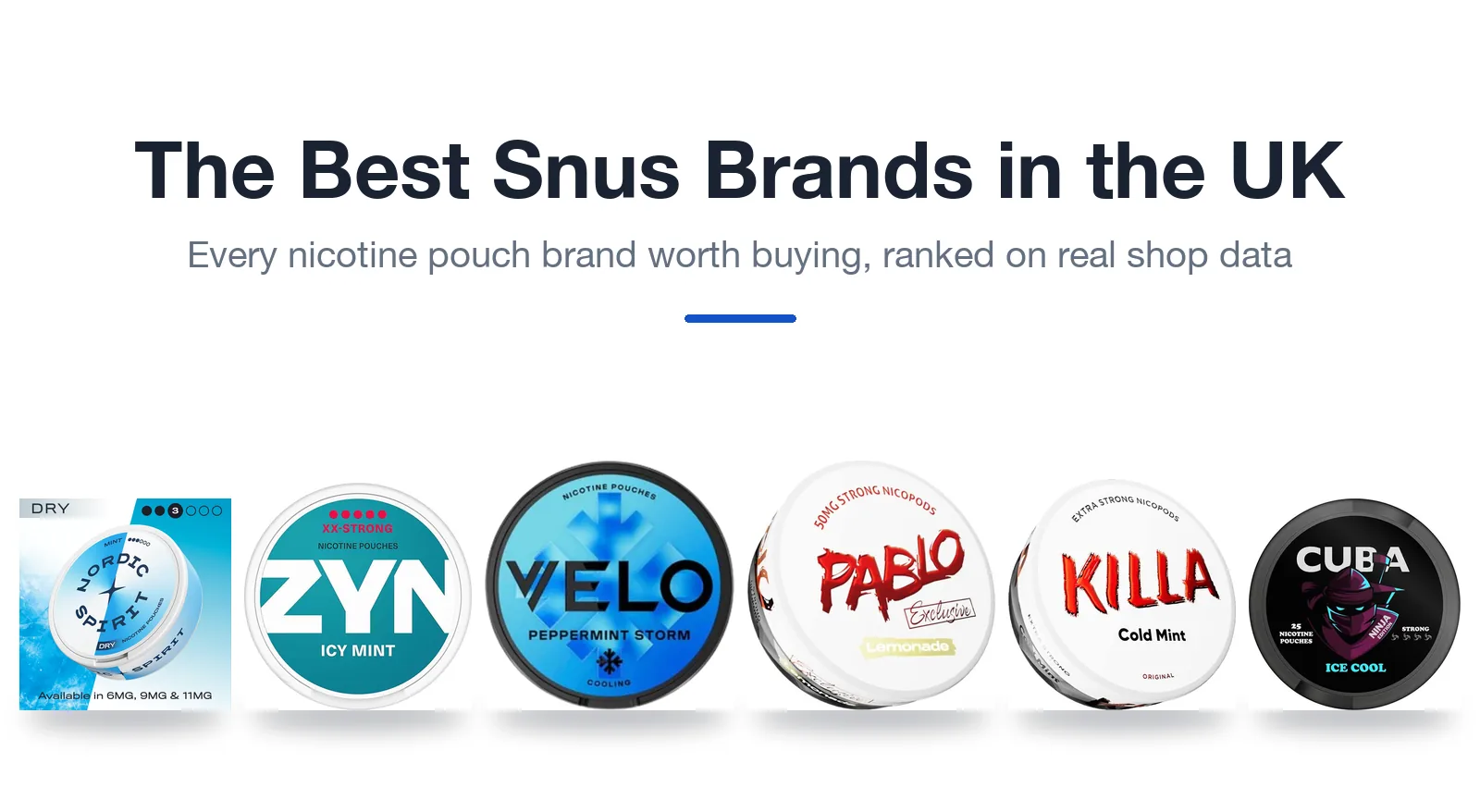
Worth knowing for context: ZYN is one of three big names on the legal UK shelf, alongside VELO nicotine pouches and Nordic Spirit, and the three ladders do not line up dot for dot. For how all sixteen legal UK brands compare, our best snus brands ranking puts them on one table. Our VELO guide and Nordic Spirit guide map those ranges the way this page maps ZYN against snus, and if you are curious why the whole category took off with British smokers in the first place, that story is here. The scale of it surprises people: UCL research in The Lancet Public Health put Great Britain at roughly 522,000 adult pouch users by the end of 2025, and approximately none of them are using snus, whatever they call the thing under their lip.
ZYN vs Snus FAQs
Is ZYN a type of snus?
No. ZYN is a nicotine pouch: nicotine on plant fibre with no tobacco leaf. Snus is ground tobacco leaf with salt and water. They share the under-the-lip format and a Swedish maker, which is why the words get swapped, but they are different products in different legal categories in the UK.
What is the difference between ZYN and snus?
Tobacco leaf. Snus contains it, ZYN does not, and everything else follows: snus is brown, moist and banned from sale in the UK, while ZYN is white, comes in dry Mini or moist Regular formats, and is legal to sell to over-18s. Strength is measured differently too, per gram for snus and per pouch for ZYN.
Who makes ZYN?
Swedish Match, the Stockholm company behind the historic snus brands Ettan (1822) and General (1866), which has been part of Philip Morris International since November 2022. That heritage is precisely why ZYN looks and behaves so much like snus without containing any tobacco leaf.
Is ZYN tobacco-free?
Almost, with one precise caveat: ZYN contains no tobacco leaf, but its nicotine is derived from the tobacco plant before being extracted and purified. ZYN's own wording is "tobacco-leaf-free", and it is the accurate term. The absence of leaf is what makes ZYN legal to sell in the UK.
Is ZYN legal in the UK?
Yes. ZYN nicotine pouches are legal to sell in the UK to adults because they contain no tobacco leaf, so the oral-tobacco ban does not apply. From 29 October 2026 the Tobacco and Vapes Act 2026 makes 18+ sales a statutory requirement; responsible retailers, including us, already age-check every order.
Can you buy real snus in the UK?
Not from any legal seller. Supplying tobacco snus has been banned in the UK since the EU-era prohibition of 1992, and Brexit did not change it. Possessing snus for personal use is not an offence, but no British shop or website can lawfully sell it, which is why everything sold as snus here is actually a tobacco-free nicotine pouch.
Is ZYN stronger than snus?
At the extremes, no. UK ZYN tops out at 13.5mg per pouch with Menthol Ice, while the strongest tobacco snus, Siberia, carries roughly 43mg per gram. Everyday snus and mid-to-strong ZYN overlap in practice, though, because snus is measured per gram and ZYN per pouch, so headline numbers mislead.
Does ZYN stain your teeth like snus?
No. Staining from snus comes from its brown tobacco content sitting against the teeth for long periods. ZYN pouches are white and leaf-free, so there is nothing brown to leave behind, and staining is minimal even with heavy use. Ordinary dental hygiene covers it.
Why do people call ZYN snus?
Habit, mostly imported. Scandinavian footballers brought the word into British dressing rooms, both products sit in the same place under the lip, and in America "zyn" has drifted into slang for any nicotine pouch. The word stuck even though the tobacco did not.
Image credits
Hero and in-post range image: PMI, CC BY 4.0, via Wikimedia Commons. Snus portions: Dennis Brown, CC BY-SA 3.0, via Wikimedia Commons. ZYN range banner: official ZYN UK marketing imagery.